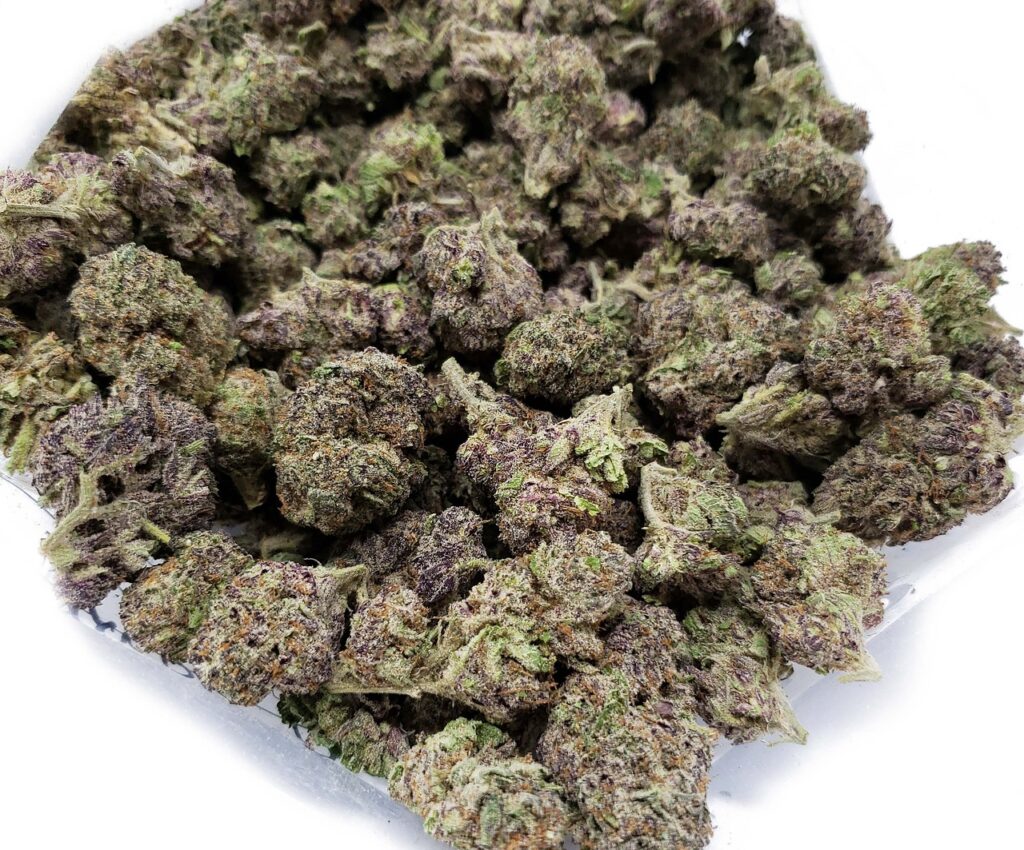
Traveling to a new city or country can be exciting, but travelers interested in cannabis should understand the local rules before making any decisions. Cannabis laws differ significantly from one destination to another, and regulations can also change over time. What may be permitted in one location can be prohibited in another, so checking current local information should always be part of your travel planning.
Before traveling, research the cannabis laws that apply at your destination. Pay attention to rules concerning possession, personal use, cultivation, purchasing, public consumption, and transportation. Some places permit certain cannabis products under regulated systems, while others prohibit cannabis entirely or impose strict penalties for possession.
Travelers should also understand that crossing an international border with cannabis can create serious legal problems. Even when cannabis is legal or tolerated at your destination, that does not necessarily mean it is legal to bring it into the country. Airport security, customs authorities, and border agencies operate under their own laws and regulations. The safest approach is to check official government information before traveling and avoid assuming that cannabis purchased legally in one location can be transported elsewhere.
Public consumption is another important consideration. Regulations can vary between cities, municipalities, and individual establishments. Even in places where cannabis use is permitted, there may be restrictions on where it can be consumed. Hotels, rental properties, restaurants, parks, transportation systems, and other public spaces may have their own rules. Travelers should always respect posted restrictions and property policies.
Visitors should also be careful when purchasing cannabis products. Where cannabis is legally available, using authorized and regulated sources can provide greater confidence about product labeling, ingredients, and legal compliance. Travelers should avoid purchasing products from unknown individuals or unregulated sellers because the contents, strength, and legal status may be uncertain.
Responsible consumption is particularly important when traveling. Cannabis can affect concentration, coordination, reaction time, and judgment. Anyone who consumes cannabis should avoid driving or operating vehicles or machinery while impaired. Travelers should also be aware that combining cannabis with alcohol or other substances can increase impairment.
People who are unfamiliar with cannabis should start cautiously, particularly when consuming products such as edibles. Edibles can take longer to produce noticeable effects than inhaled cannabis, and consuming additional amounts too quickly can result in an unexpectedly strong experience. Understanding product information and following applicable local guidance can help reduce unnecessary risks.
Travelers should also more info consider accommodation rules. A destination may permit cannabis under certain circumstances while a hotel, hostel, apartment, or vacation rental prohibits smoking or cannabis consumption on its property. Checking the accommodation's policies before arrival can prevent unnecessary problems.
Cannabis laws can be especially complicated for international travelers because laws may differ not only between countries but also between regions within the same country. A national law may establish one framework while a city or state has additional restrictions. This is why destination-specific research is valuable.
A reliable cannabis travel guide can help visitors understand the general legal environment, cultural considerations, safety issues, and practical questions associated with cannabis and travel. However, online information should not be treated as a substitute for official legal guidance. Laws and regulations can change, and information published previously may no longer be accurate.
Before visiting a destination, travelers should check current government or official tourism information for the most up-to-date rules.
They should pay particular attention to possession limits, minimum age requirements, approved purchasing channels, consumption restrictions, and border regulations.
Ultimately, responsible cannabis travel begins with preparation. Knowing the local laws, respecting public spaces, following accommodation policies, avoiding impaired driving, and never assuming that cannabis can be transported across borders are all important parts of traveling responsibly.
Whether visiting a major European capital, a smaller regional city, or a destination on another continent, travelers should treat cannabis laws as part of their normal travel research. Regulations are location-specific, so always verify the current rules that apply to the particular destination before making decisions.
Travel responsibly, respect local laws, and stay informed throughout your journey.